

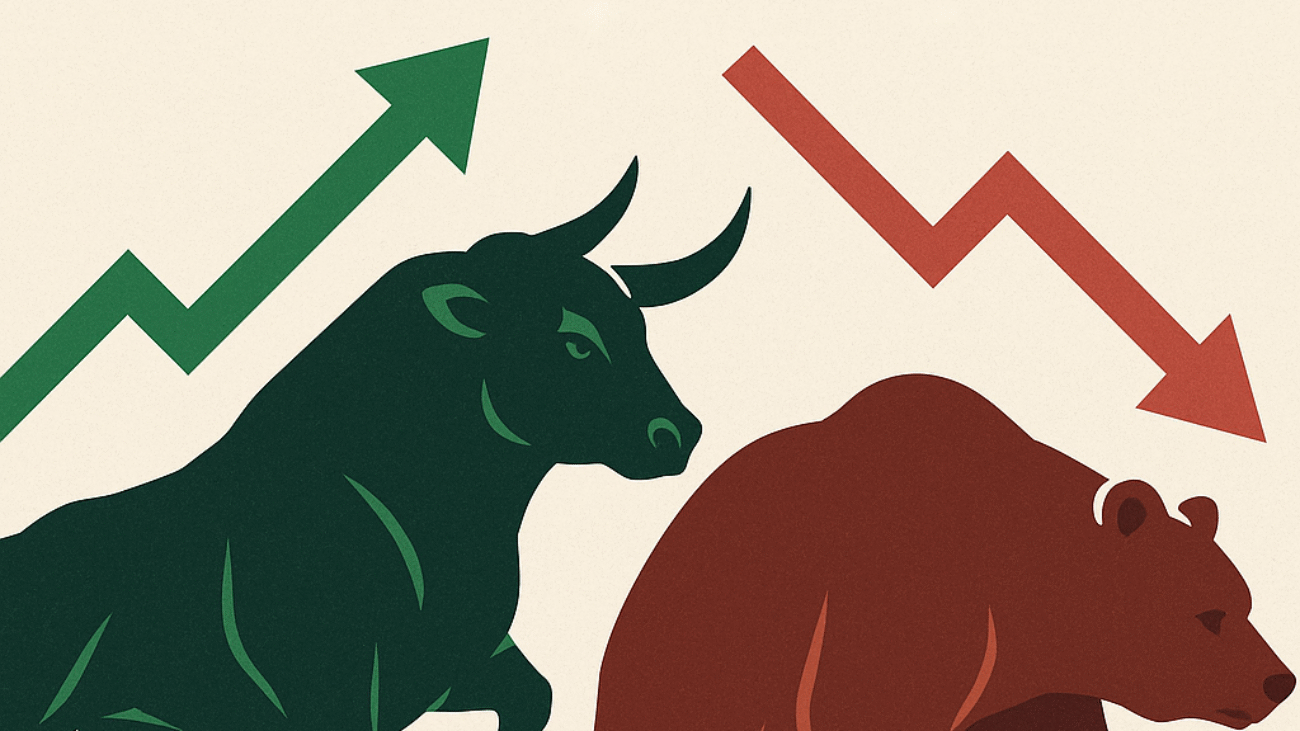
Imagine seeing your investments soar in value, only to watch them tumble days later. As markets fluctuate, distinguishing between a bull market (where prices rise) and a bear market (where prices fall) can be crucial for your investment strategy. By grasping these concepts, you’ll be better equipped to make informed decisions.
In this article, we’ll explore how to identify bull and bear markets effectively. By the end, you’ll understand the signs to watch for and how to adapt your investment strategies accordingly.
Understanding Bull Markets: Signs and Characteristics
Bull markets are characterized by rising prices, optimism, and increased investor confidence. Typically, these markets occur when the economy is growing, jobs are plentiful, and consumer spending is high. Stocks generally rise by 20% or more from recent lows, often supported by strong corporate earnings. This period can last for months or even years, driving the market upward.
DIY tip: To identify a bull market, keep an eye on major stock indices like the Nifty 50 or Sensex. If these indices consistently trend upwards over a few months, you might be in a bull market. Regularly assessing economic indicators will help you gauge market sentiment.
Recognizing Bear Markets: Key Indicators
A bear market signifies falling prices, often accompanied by negative investor sentiment and economic downturns. Generally marked by a decline of 20% or more from recent highs, bear markets can be attributed to factors like economic recession, rising unemployment, and a drop in consumer confidence. Understanding these signals can help investors stay cautious.
DIY tip: Stay informed about economic reports and news. Watch for declining GDP figures and rising unemployment rates. Being proactive in your research can help you spot potential bear markets ahead of time.
A Practical Example
Consider an investor who noticed the Nifty 50 climbing steadily over six months. They recognized this as a bull market and decided to invest actively. When the market corrected sharply, they managed to sell at a profit before the downturn deepened.
Case Study: Priya’s Journey to Smart Investing
Meet Priya, 30, from Pune. As an IT professional, she has a monthly investible surplus of ₹40,000. When she first started investing, Priya wasn’t aware of bull and bear markets. During a recent bull market, she invested ₹10,000 monthly in equities. However, as the market turned bearish, she hesitated and held onto her investments, facing losses.
Recognizing the issue, Priya began monitoring market indicators. She switched to a balanced investment approach, allocating ₹5,000 to equity and ₹5,000 to debt funds. This diversification helped her minimize losses during the subsequent market dip. Priya’s example shows the value of understanding market trends and adapting your strategy. *(Illustrative figures only.)*
Frequently Asked Questions
What defines a bull market?
A bull market is typically defined by a rise of 20% or more in a stock index from its recent lows, often driven by economic growth and investor optimism.
How can I tell if we are in a bear market?
Bear markets show a decline of 20% or more in stock indices. Indicators include economic downturns, rising unemployment, and declining consumer confidence.
What should I do in a bear market?
During a bear market, consider maintaining a diversified portfolio to reduce risk. Also, staying informed and possibly reallocating investments to safer assets can help.
How can I benefit from bull markets?
In a bull market, you might consider increasing your investment in equities, as prices are likely to rise. Tracking market momentum can enhance your profits.
Conclusion
Identifying bull and bear markets is essential for smart investing. By understanding market signals, you can adjust your strategies for better outcomes. Ready to see how this works for you? Test your strategy with the WealthAlpha Portfolio Evaluator.
Disclaimer: This article is for educational purposes only and does not constitute investment advice. Mutual fund and securities investments are subject to market risks. Past performance does not indicate future results. Please read all scheme-related documents carefully and consult a SEBI-registered investment adviser before investing.