

Estimated Read Time- 6-7 minutes
Word Count– ~1000
India Inflation
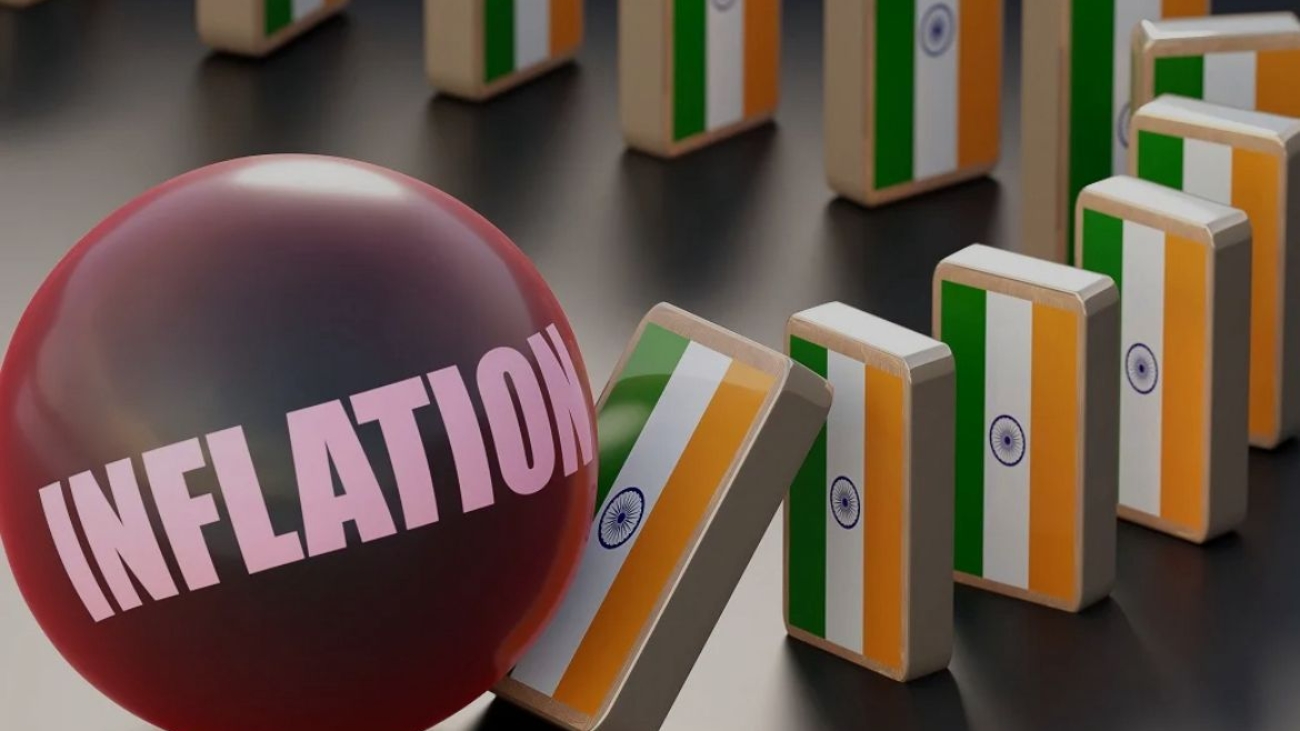
With India Inflation Near 0%, Will Stocks Still Rally?
Prices: If GST cuts shave 0.5 – 1% off inflation and inflation is already ~1%, price growth could slip to ~0%.
Rates: Policy rates at 5.5% today could fall sharply to support growth—maybe even towards 0%.
But demand is weak: Population growth is slowing, the USA (a major buyer) is softer, AI is pressuring services, and unsold cars/houses are piling up.
Result: Rate cuts alone might not revive demand quickly. For stocks, this is a mixed signal—cheap money helps, weak earnings hurt.
Investor playbook: Focus on quality cash flows, low debt, resilient demand, and watch inventory + credit data like a hawk.
Takeaway: Falling inflation and rates can lift valuations, but earnings momentum still depends on demand. Position for quality first, then add cyclical exposure when data turns.
What Does It Mean for Your Money?
Think of the economy like a shop:
- If the shopkeeper cuts prices (inflation drops), it’s easier to buy things—good.
- If the bank lowers interest rates (cheaper loans), it’s easier to finance purchases—also good.
- But if customers aren’t walking in (weak demand), price cuts and offers don’t move the needle.
Right now, the story looks like this:
- Inflation: ~1%. Proposed GST cuts could push it near 0%.
- Interest rates: 5.5% with room to drop—possibly a lot.
- Demand headwinds: Slowing population growth, global softness (especially the USA), AI displacing service jobs/fees, and rising unsold inventory in autos and property.
Bottom line: Cheap money + cheap prices usually boost spending. But if people are cautious about jobs/income, they may still not buy. That’s the risk.
Global houses like Morgan Stanley and BlackRock remind us in their India strategy notes: valuation tailwinds from lower rates are positive, but earnings growth is the real driver of stock returns.
What Does That Mean for Stocks?
Lower rates typically lift stock valuations (future profits are discounted at a lower rate).
But if demand stays weak:
- Revenue growth slows,
- Inventory builds squeeze cash,
- Margins get hit (discounting to move stock),
- Earnings might disappoint despite lower rates.
This creates a tug-of-war:
- Valuation tailwind (from rate cuts) vs. Earnings headwind (from weak demand).
- Markets can rise on policy hopes—then wobble when earnings lag those hopes.
Sector Snapshot: Green, Yellow, Red
Green(ish): relative resilience if demand is soft
- Utilities & essential services: Steady usage, benefit from lower funding costs.
- Selective consumer staples: Everyday essentials; pricing power matters.
- Pharma/Healthcare: Defensive, export + domestic mix can help.
Yellow: watch carefully
- Exporters (ex-IT): Currency, orders to the US, and input costs will decide winners.
- Banks/NBFCs: Lower rates compress NIMs, but credit demand could revive later; watch asset quality.
Red flags (until data improves)
- Autos & Real Estate: High unsold inventory = risk of discounting, cash stress for weaker players.
- Service firms threatened by AI: Fee pressure, slower hiring—only adapters thrive (automation, platform moves).
Note: “Green/Yellow/Red” is about near-term resilience, not long-term destiny. Great management can flip colours over time.
Four Economic Scenarios Investors Should Watch
- Soft Landing: Inflation ~0%, rates down, demand stabilizes
- Often favours quality cyclicals, financials (later), and broad beta.
- Rate-Cut Recession: Rates fall to ~0%, but demand still weak
- Defensives, dividends, cash-rich quality, and low-debt names tend to hold up better.
- Inventory Clearance Cycle: Heavy discounting to move cars/houses
- Near-term pain, but future volume recovery sets up turnaround plays (timing is tricky).
- AI Adoption Winners: Some “service” firms shrink; others reinvent via automation/productization
- Look for evidence: margin stability, new AI-led revenue lines, capex in data/ML, client case studies.
Where the Opportunities May Emerge?
- Likely early beneficiaries: Quality compounders across large sectors; select dividend payers that benefit from lower funding costs.
- Later-cycle adds (on confirmation): Leaders in autos/realty ecosystem once dealer inventory and unsold housing trend down.
- Services adapting to AI: Prefer firms showing productivity gains/new revenue lines—not just “AI” in slides.
Your 5-Point Data Dashboard
Check these before adding risk:
- India inflation (headline & core) – stays near 0% after GST cuts?
- Policy rate & bank credit growth – are cheaper loans driving incremental credit?
- Inventory – auto channel days, housing months of inventory falling?
- Earnings & guidance – revenue growth without heavy discounting; margins stabilising.
- Exports to US / Services hiring – stabilisation = demand green shoots.
Risk Guardrails for Smart Investors
A) Clean Up Your Core
- Emergency cash: 6–12 months of expenses.
- Debt: High-interest debt first; lower EMIs if rates fall.
- SIPs: Keep them steady—don’t time the market.
B) Own Quality You Can Sleep With
- Strong balance sheets: Low net debt, positive free cash flow.
- Moats & pricing power: Brand, distribution, IP, or regulation that protects margins.
- Dividend & buyback discipline: Signals cash-flow health.
C) Be Patient With Cyclicals
- In Autos/Real Estate, demand & inventory data lead the trade. Average in slowly, prefer leaders with inventory control and cash.
D) Don’t Chase “AI narrative” Blindly
- Back adapters, not slogans. Look for AI in the P&L (higher productivity, new revenue), not just in presentations.
E) Trim Single-Point Risks
- Position sizing: A single stock rarely >5–7% of your equity portfolio.
- Sector caps: Don’t let one theme dominate.
- Rebalance: At least annually.
Implementation Checklist
- Keep SIPs running in broad, low-cost equity funds.
- Build a 10–15 name core of quality (cash-flow + low debt).
- Add defenses/dividends for ballast.
- Maintain a watchlist of rate-sensitives; buy only as inventory/credit data turn.
- Review your dashboard monthly; rebalance every 6–12 months.
Common mistakes to avoid
- “Rates are 0%—everything must go up!”
Not if profits are falling. Valuation without earnings is a house on sand. - Ignoring cash flow
Profits are opinions; cash is fact. Prefer consistent free cash flow. - Over-concentrating
A single stock, sector, or fad can set you back years. - Buying every dip blindly
In downcycles, bad gets cheaper for a reason. Scale in patiently and prefer quality.
FAQs
Q1: How does near-zero inflation affect the Indian stock market?
It lowers interest rates and boosts valuations, but weak demand can cap earnings.
Q2: Which sectors benefit when inflation is near 0%?
Utilities, consumer staples, and quality dividend-paying companies tend to perform better.
Q3: Should investors worry about deflation in India?
Not yet — but sustained weak demand could delay recovery in cyclical sectors.
Open your FREE Wealth Alpha account. Upload holdings once, get instant portfolio scores, AI‑driven optimization, and pro screeners in one place.
Sign up now: https://wealthalpha.in