

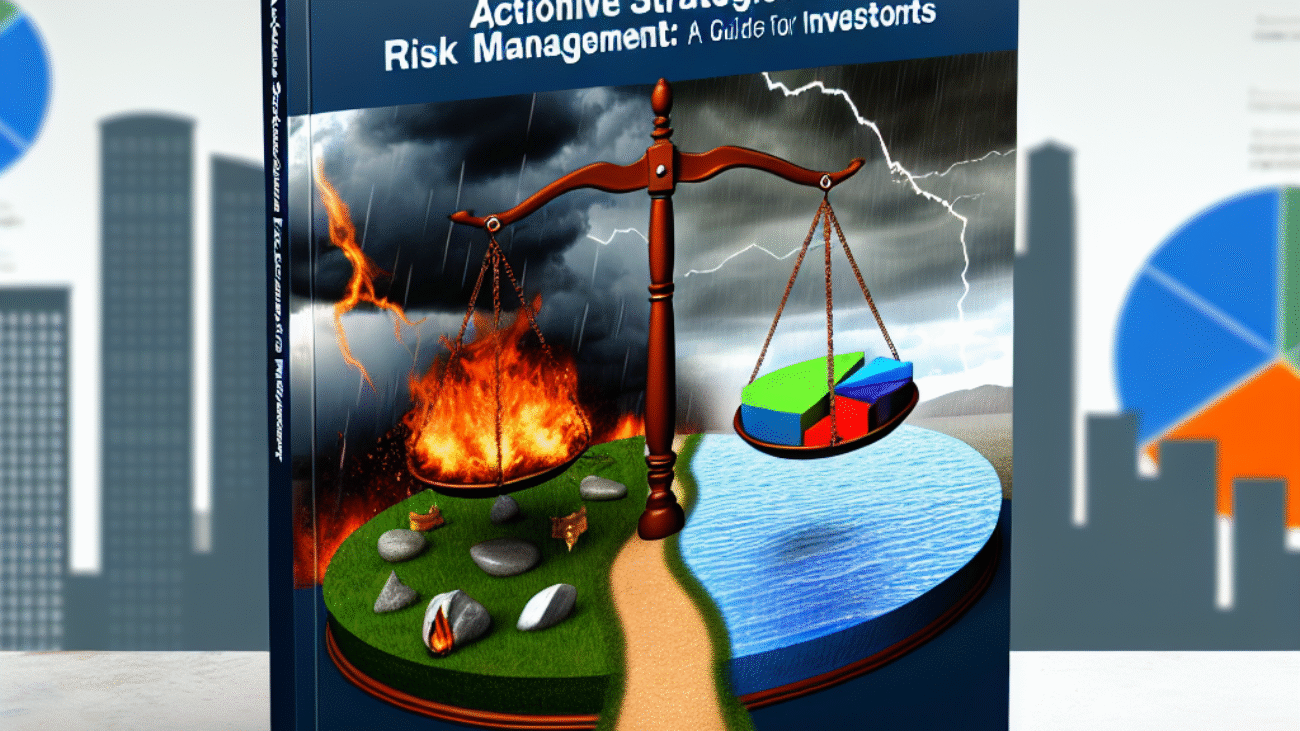
Actionable Strategies for Effective Risk Management: A Guide for Investors
Introduction: In the world of investing, risk is an inseparable part of the journey. However, understanding and managing this risk can significantly enhance your wealth-creation potential. Whether you’re a novice just starting or someone looking to refine their investment strategy, effective risk management is crucial. In today’s ever-changing economic landscape, having a proactive approach to risk can protect your assets and create opportunities for growth. Let’s explore some actionable strategies that you can implement to elevate your investing game!
Understanding Risk: A Necessity for Investors
Risk is the chance that an investment’s actual return will differ from its expected return. In simple terms, it’s like navigating a road with bumps and turns! By recognizing the types of risks—market, credit, liquidity—you can prepare yourself better. Here’s how:
- DIY Tip: Start with a diversified portfolio to spread out risk across various assets.
- DIY Tip: Use the asset allocation strategy to decide how much to invest in different asset classes based on your goals.
Creating a Safety Net: The Importance of Diversification
Diversification means not putting all your eggs in one basket. By investing in a range of assets, you can minimize the impact of any single investment’s poor performance. Here are ways to diversify:
- DIY Tip: Consider mutual funds or ETFs that automatically diversify your portfolio.
- DIY Tip: Explore alternative investments like real estate or commodities to enhance your SIP calculator strategy.
Regular Review: Staying Agile
Investments are not set in stone. The best investors regularly review their portfolios to ensure they align with their financial goals. This agility can help you catch any potential issues early. Consider:
- DIY Tip: Conduct quarterly reviews and adjust your portfolio based on performance and market changes.
- DIY Tip: Utilize tools like reduce risk strategies to keep your investments on track.
Psychological Factors: Managing Investor Behavior
Investor psychology plays a vital role in risk management. Fear and greed can lead to impulsive decisions that may jeopardize your portfolio. Here’s how to keep your cool:
- DIY Tip: Set clear, realistic investment goals to guide your decisions.
- DIY Tip: Remind yourself to stay focused on the long-term rather than succumbing to daily market fluctuations.
Practical Insight
Consider an investor named Raj, who set up a diversified portfolio after reading about the importance of managing risk. By including stocks, bonds, and real estate in his investment mix, he not only minimized his exposure to any single asset class but also set annual reviews to readjust his allocations based on performance. This proactive approach allowed Raj to weather market fluctuations effectively, securing his investments and capitalizing on growth opportunities.
Case Study
Let’s take a closer look at Priya, a 30-year-old IT professional. After being introduced to risk management strategies, she took action. Priya started with a diversified portfolio consisting of 60% equities and 40% bonds, validating her choices using the SIP calculator. She also allocated some funds to tax-saving investments, which reduced her taxable income. Fast forward a year, and Priya’s portfolio had grown by 12% despite market fluctuations. Thanks to her strategic risk management, she not only preserved her capital but also expanded it effectively.
Conclusion & CTA
In summary, effective risk management is essential for any investor looking to secure and grow their wealth. By understanding risk, diversifying your portfolio, regularly reviewing your investments, and managing your emotions, you can turn challenges into opportunities. Ready to see how this works for you? Test your strategy with the WealthAlpha Portfolio Evaluator.