

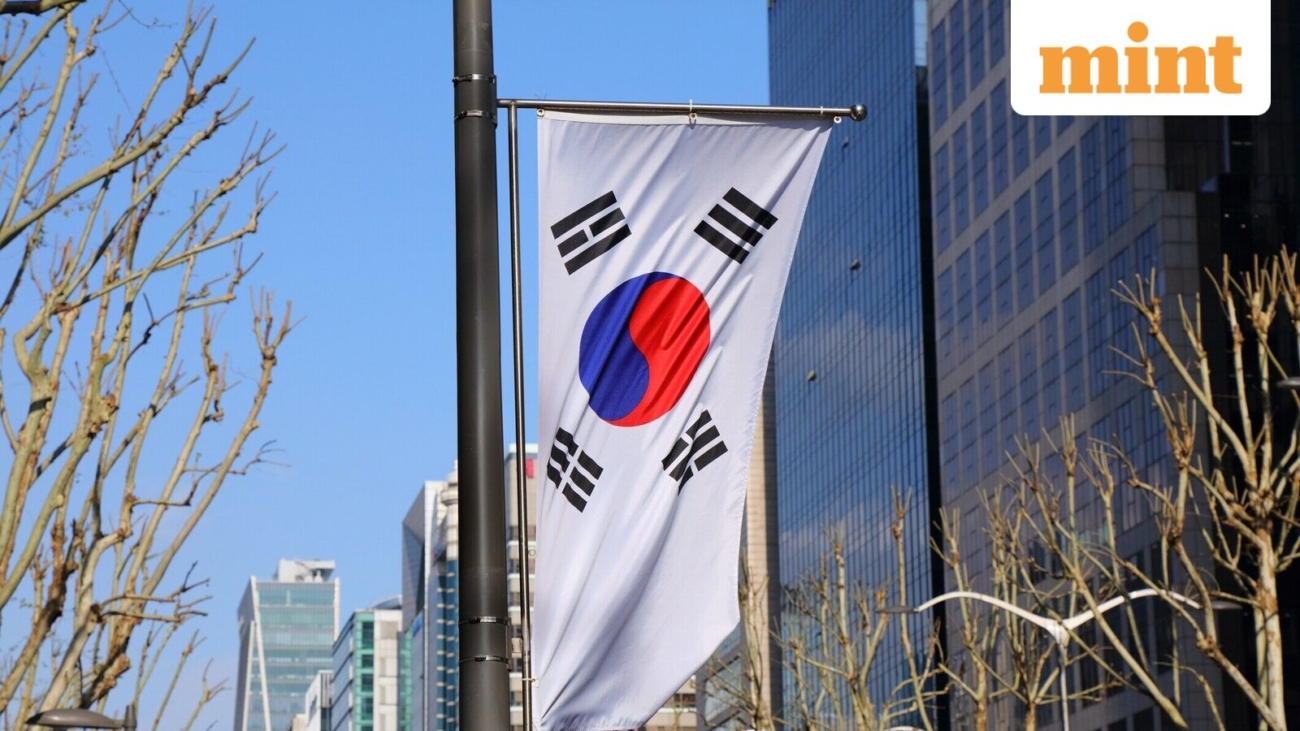
South Korea has emerged as one of the world’s best-performing equity markets in 2026, driven by an explosive artificial intelligence-led semiconductor boom, sweeping shareholder-friendly reforms and record inflows from both foreign and domestic investors.
In a historic rally, the benchmark KOSPI surged from the 5,000 mark to a record high of 8,000 before witnessing a healthy consolidation toward the 7,200–7,500 range following a mid-May global macro adjustment. Even after the pullback, the index continues to trade near 7,400, having gained around 77% so far this year.
The rally has dramatically transformed South Korea’s standing in global finance. The country’s overall market capitalisation has climbed to nearly $4.28 trillion, making it the world’s eighth-largest stock market, as per media reports, and pushing it ahead of several traditional European financial centres, including France. Global brokerages have also turned increasingly bullish on the market.
In a note published earlier this week, Goldman Sachs described South Korea as its “highest conviction view” in Asia and raised its 12-month target for the KOSPI from 8,000 to 9,000.
AI semiconductor dominance drives earnings explosion
At the heart of South Korea’s stock market rally lies its near-monopoly over the hardware infrastructure powering the global artificial intelligence boom.
This AI-driven semiconductor supercycle has resulted in extraordinary profitability for Korean technology giants. Samsung Electronics and SK Hynix together generated nearly $59.7 billion in combined operating profit during the March quarter alone, according to media reports, surpassing the aggregate quarterly profits of the entire listed corporate universe in India.
The sharp improvement in earnings has translated directly into share price performance. Samsung Electronics has rallied nearly 82.5% year-to-date, while SK Hynix has surged around 69.8% in 2026.
Just today, Samsung Electronics surged 8% after the company reached a tentative agreement with its labour union, easing concerns over a potential strike at the world’s largest memory chipmaker. Meanwhile, peer SK Hynix climbed as much as 12% during intra-day trade. The stock has also rallied 866% over the past one year, while gaining 104% in the last three months and 58% over the past month.
Samsung Electronics has also delivered massive gains, soaring 433% over the last one year. The stock has maintained strong momentum in recent months as well, rising 35% in the past month and 56% over the previous three months.
Chip-related stocks also received support from stronger-than-expected earnings reported by NVIDIA Corporation. Korean equities had declined over the previous two sessions as rising bond yields weighed on technology stocks, while fears surrounding a possible walkout at Samsung had also pressured investor sentiment.
Corporate reforms and capital inflows reshape the market
Another major reason behind South Korea’s outperformance has been the government’s aggressive push to dismantle the long-standing “Korea Discount” — a term used to describe the historically low valuations of Korean companies due to opaque conglomerate structures and weak shareholder returns.
The government also sharply reduced dividend taxation, lowering top-tier dividend income tax rates from 45% to a range between 14% and 30% to encourage higher cash payouts.
Additionally, the Korea Exchange announced plans to publicly identify companies that remain in the bottom 20% of price-to-book ratios within their industries for consecutive half-year periods, increasing pressure on underperforming firms to improve shareholder value.
The combination of AI-led earnings growth and governance reforms has turned South Korea into one of the defining global market stories of 2026, with investors increasingly betting that the country’s rally may still have room to run.
(With inputs from agencies)
Disclaimer: This story is for educational purposes only. Please consult with an investment advisor before making any investment decisions.
Source link

Leave A Comment